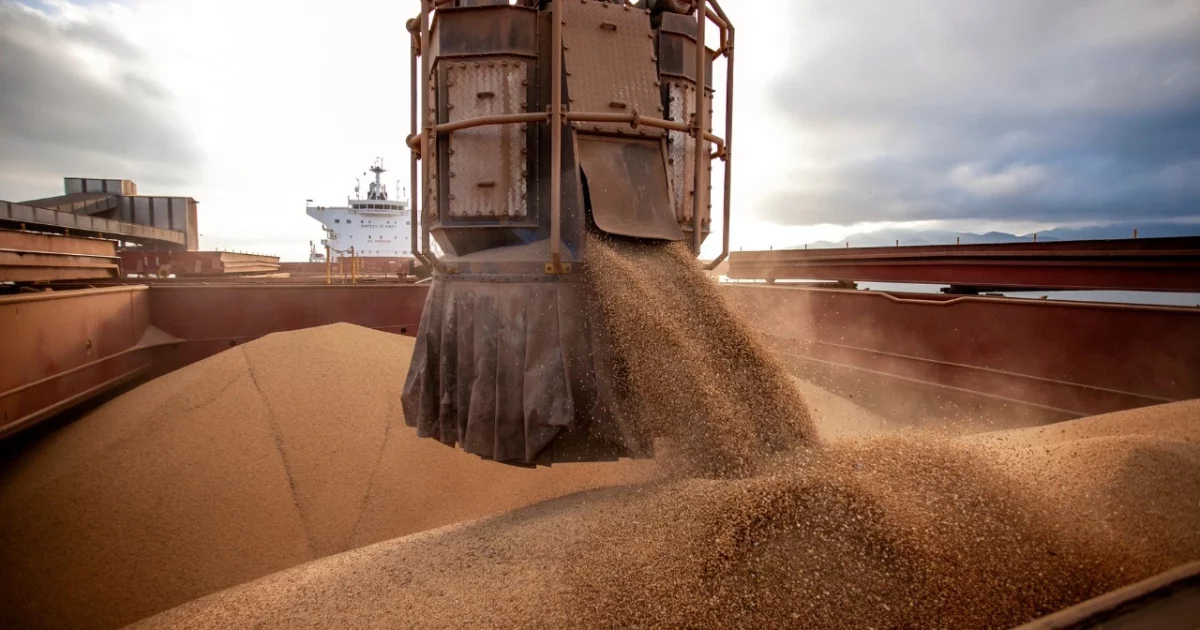
The trade conflict between the US and China during Donald Trump’s second term once again boosted demand for Brazilian soybeans, leading to an increase in prices at Brazilian ports reminiscent of the levels seen during the initial trade war between the two countries in 2018-2019.
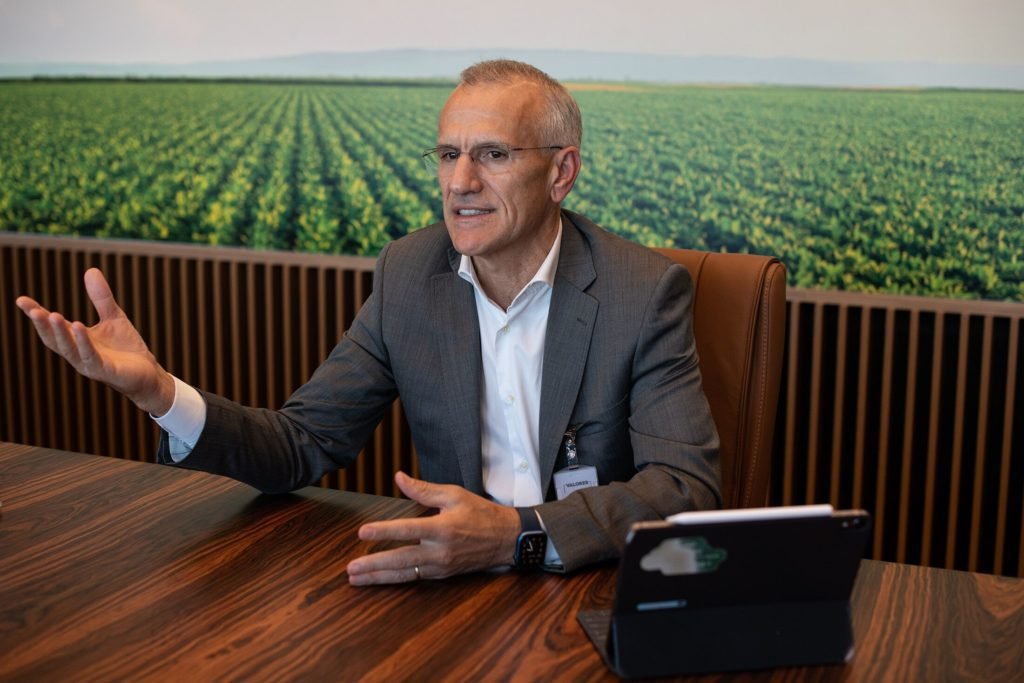
The Agricultural SLC, a major grain producer in the country, is confident that export trends will remain positive in the upcoming months. CEO Aurélio Pavinato mentioned that recent port prices nearing $2 per bushel have prompted them to make early sales decisions.
To grasp the practical implications, it is important to understand the process of how a soybean “professional” operates. When a Chinese buyer seeks to purchase Brazilian soybeans, they do not simply rely on the Chicago Stock Exchange price, which acts as a global benchmark. Instead, an additional premium, known as the “prêmio,” must be paid to ensure the Brazilian origin.
The additional worth, measured in dollars per bushel, fluctuates based on market demand, transportation expenses, and geopolitical issues, particularly tension between the USA and China. Increased trade friction between the two countries leads to a higher premium for Brazilian soybeans.
This week, the FOB award at the Paranaguá port for soybean prices loaded onto ships, excluding sea freight, ranged from $1.75 to $1.90 per bushel. This marks a notable increase compared to the approximately $1.00 in April.
Values are nearing the highest levels seen in 2018 and 2019, when Chinese tariffs led to increased purchases from South America. Brazil experienced record sales recently and aims to sustain strong shipments in September and October, typically U.S.-dominated months.
Beijing rushing
The executive believes that China is not in a rush to negotiate a new trade deal with the US, even though Donald Trump has urged Beijing to increase their purchases of American grain fourfold.
“It is difficult to envision a scenario where Brazil is negatively impacted. The level of Chinese reliance on the US has significantly diminished following the initial Trade War,” Pavinato remarked. “Currently, there is a wider range of options and less pressure from China.”
The tariff truce extension for 90 days, along with the plentiful supply in Brazil, is expected to boost Chinese buying in South America as demonstrated by the record-breaking soybean imports of 11.7 million tons in July.
SLC experienced a decrease in profits during the quarter.
In the second quarter, despite positive outlook on exports, the SLC balance saw a 56.5% decline in net profit compared to the previous year. This decline was mainly due to the accounting adjustment related to gains from the fair value of biological assets, which resulted in a reduction of R $ 452 million in gross profit.
Cotton, which contributes significantly to the income, decreased by 12.9% in revenue and 6.2% in sales volume due to reduced productivity in Bahia. The net debt increased from R $ 3.7 billion to R $ 6 billion within a year, primarily due to land purchases and advanced consumer spending.