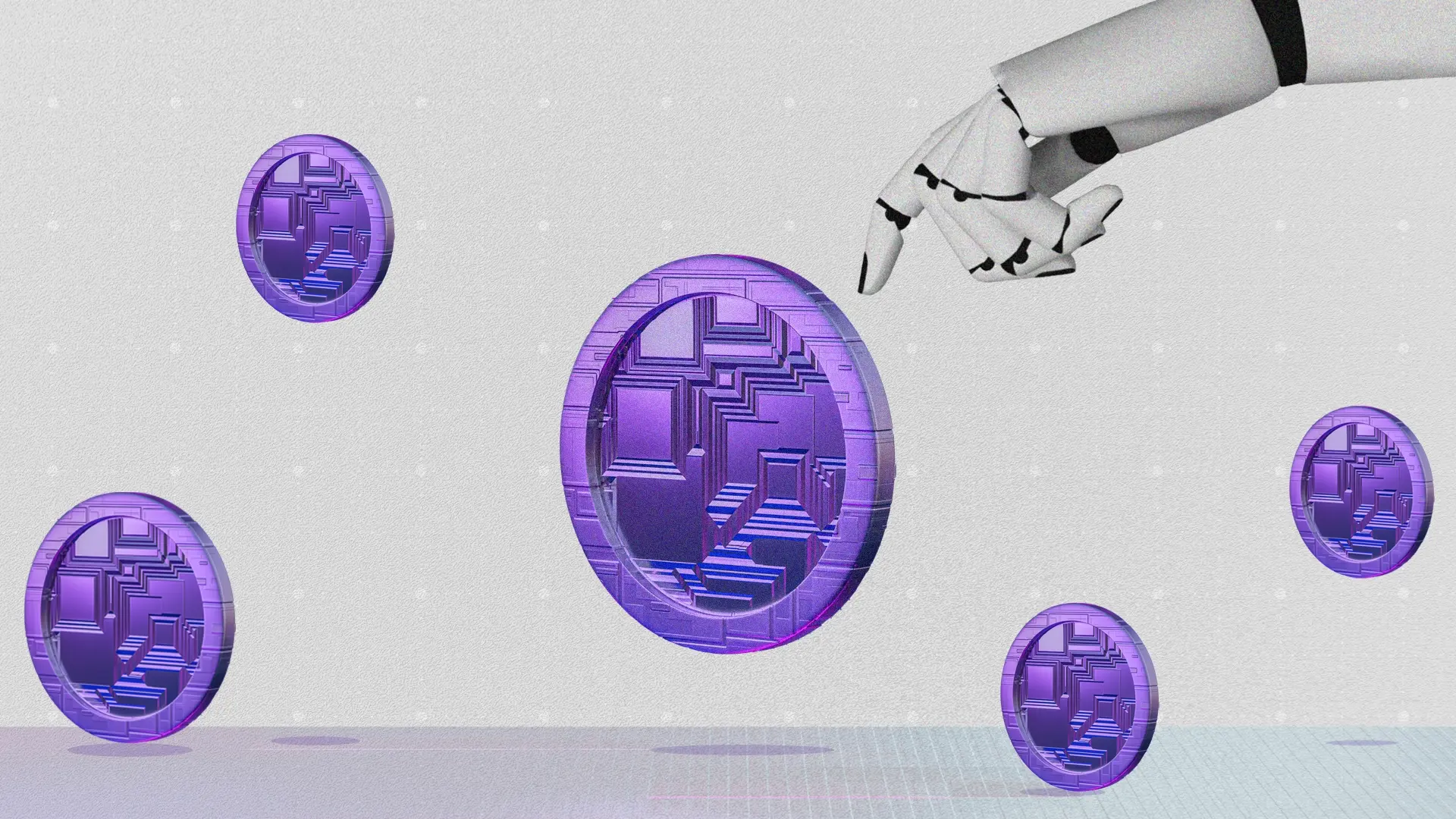
Jobs are becoming outdated due to artificial intelligence, leading to a proposed universal basic income solution in Silicon Valley where work is not necessary.
Elon Musk and Sam Altman, prominent figures in the tech industry, envision a future where artificial intelligence creates significant wealth. They have supported the idea of universal basic income for ten years, advocating for fair income distribution.
Many people associate the RBU with being funded by taxes, but the Silicon Valley elite envisions AI taking over human tasks across various industries and using cost savings and increased revenue to fund payments.
Technology experts argue that income can be distributed in a large-scale system of wealth sharing.
An idea once viewed as a socialist measure rewarding laziness has now become one of the most widely embraced acronyms in the advancement of AI.
What does RBU stand for?
Economists and social advocates started supporting Universal Basic Income in the 1960s as a way to address poverty.
Karl Widerquist, a philosophy professor at Georgetown University in Qatar, suggested that with the rise of mainframes in offices and concerns about job loss, advocates questioned whether the RBU could address the technological shift displacing workers.
Jack Dorsey, co-founder of Twitter, and Chris Hughes, co-founder of Facebook, have put substantial amounts of money into experimental initiatives in recent times.
Some ongoing experimental RBU programs seek to alleviate poverty or address the rapid automation by distributing funds from donors and government subsidies to individuals or households.
Minimal effort
Sam Altman, CEO of OpenAI, funded a study in 2016 that provided $1,000 per month for three years to a group of low-income people. According to Elizabeth Rhodes, who oversaw the OpenResearch project, the recipients reduced their work hours and used the money mostly for essential expenses.
Altman, speaking on Theo Von’s podcast “This Past Weekend” in July, suggested that people could be granted ownership in all AI creations instead of money. He proposed this method as a way to distribute AI-generated wealth among the population, describing it as a concept of “universal extreme richness.”
He envisioned a situation where each person would be given a trillion tokens annually, which serve as the fundamental unit of information used by large language models, to be used for trading or as individual assets, offering an alternative to the concentration of wealth in the traditional capitalist system.
Elon Musk, CEO of Tesla, supports the idea of “universal basic income,” which suggests that AI will take over much of the work, allowing the public to benefit from the resulting income.
Musk suggested in May that universal basic income could lead to a prosperous and happy future akin to “Star Trek”. However, he cautioned that poor management could result in a dystopian future akin to “Terminator”.
Marc Benioff, CEO of Salesforce, mentioned that around half of the company’s tasks are currently carried out by artificial intelligence. He backs universal basic income and views the Covid-19 stimulus payments as a potential blueprint for broader income distribution.
Automation will lead to greater income inequality and require additional income for those unable to be retrained, as well as for individuals not typically compensated for their caregiving or volunteering efforts. AI is anticipated to boost wealth by cutting costs for businesses, as stated in his Fortune article.
RBU detractors
Not everyone in Silicon Valley, or the public in general, agrees with the RBU theory.
Critics view universal basic income as politically impractical and believe it enables technology companies to rationalize growing unemployment and wealth inequalities.
David Autor, an economist from MIT, described a society where most income comes from a few sources as terrifying and a product of political imagination.
The AI leaders advocate for universal income as they predict widespread unemployment without offering alternative solutions.
He pondered the fate of individuals in countries other than the US who might face unemployment without access to a universal basic income.
Marc Andreessen, a venture capitalist, stated in his 2023 essay on technology optimism that people require work to feel fulfilled.
He wrote that the man was created to be helpful, efficient, and dignified.
Andreessen thinks AI will change most jobs, stating on Substack that Universal Basic Income is not needed as the government will probably fund many industries.
David Sacks, President Trump’s AI advisor, expressed skepticism about tech leaders promoting the distribution of money through AI as a solution to job loss, calling it a misguided attempt that won’t benefit society. He also dismissed universal income as a mere “fantasy” of social assistance that is unlikely to materialize.
Translated by InvestNews — Provided by InvestNews
Presented by